

Prevent 2 Protect
2026 Adolescent Targeted Violence Prevention Conference
October 19-20, 2026, 8:00 am - 5:00 pm
Join us at the Kellogg Hotel & Conference Center on the campus of Michigan State University for the 2026 Prevent 2 Protect Adolescent Targeted Violence Prevention Conference. Taking place on October 19 and 20, this premier event brings together national leaders in threat assessment, mental health, education, law enforcement, and violence prevention to advance strategies for identifying and supporting youth at risk before violence occurs.
Through engaging keynote presentations, multidisciplinary panel discussions, real-world case studies, and practical implementation sessions, attendees will explore emerging research, best practices, and innovative approaches to targeted violence prevention. The conference will also showcase Prevent 2 Protect’s unique cross-systems intervention model, which connects schools, mental health providers, law enforcement, and community partners to support high-risk youth and enhance community safety.
Participants will gain valuable insights into effective threat assessment and case management practices, lessons learned from communities implementing prevention-focused interventions, and opportunities to collaborate with professionals dedicated to protecting youth and preventing tragedy.
Whether you are an educator, school administrator, mental health professional, law enforcement officer, healthcare provider, policymaker, or community leader, this conference will provide actionable tools, evidence-based strategies, and meaningful connections to strengthen violence prevention efforts in your community.
Join us as we continue building safer schools and healthier communities. Together, we can Prevent 2 Protect.
Registration is now closed!
Registration has now closed. Limited spots may be available. Please email prevent2protect@msu.edu to inquire.
Community Resource Exchange
Share your Mission. Build Partnerships.
The Prevent 2 Protect Community Resource Exchange brings together organizations from across Michigan that are making a difference in the lives of children, adolescents, families, and communities. This is a unique opportunity to connect with educators, school leaders, behavioral threat assessment teams, mental health professionals, healthcare providers, law enforcement, and community partners while showcasing the resources and services your organization provides.
Participation is free, but space is limited and available by application only. Priority will be given to organizations that provide services supporting youth and families.
Discover What to Expect
Day 1: October 19
Building the Foundation: From Understanding Risk to Creating Hope
Effective prevention begins with understanding. Day 1 establishes the foundation for recognizing, assessing, and managing targeted violence through an evidence-based, multidisciplinary approach. Participants will explore the research behind Prevent 2 Protect, examine the complex factors that contribute to targeted violence, and gain practical strategies for identifying warning behaviors before a crisis occurs.
Nationally recognized experts will examine topics including the adolescent development, neuroscience, pathways to violence, trauma and adverse childhood experiences (ACEs), behavioral warning signs, digital extremism, and best practices for supporting high-risk K–12 students. Through engaging keynote presentations and an interactive case-based workshop, attendees will apply these concepts to real-world scenarios, strengthening their ability to assess risk, collaborate across systems, and develop individualized management strategies.
Whether you are a school administrator, educator, mental health professional, law enforcement officer, healthcare provider, or community partner, Day 1 will provide the knowledge, tools, and collaborative framework needed to move from recognizing risk to creating hope for students and the communities that support them.
Prevent 2 Protect Update

Project Introduction & Foundation
Alyse Folino Ley, DO
Director, Prevent 2 Protect
Dr. Folino Ley is a board certified Child and Adolescent Psychiatrist who has expertise in working with adults, children, and adolescents with trauma-related disorders, mood disorders, anxiety disorders, developmental disorders, ADHD, learning disorders, and psychotic disorders. She has subject matter expertise in preventing targeted violence and resiliency and recovery efforts following mass trauma events. She has served on Governor Whitmer’s Michigan School Safety and Mental Health Commission since 2022.
Targeted violence does not occur in isolation, it develops through the complex interaction of developmental, psychological, biological, social, familial, and cultural factors. This dynamic session explores the scientific foundation that drives the Prevent 2 Protect (P2P) model, integrating neuroscience, child and adolescent development, Adverse Childhood Experiences (ACEs), behavioral threat assessment, and lessons learned from both completed and averted attacks. Using a comprehensive framework, participants will examine how understanding the whole child—not simply the concerning behavior—is essential to effective violence prevention and long-term recovery. The session demonstrates how Prevent 2 Protect translates decades of research into practice through four integrated pillars: Intensive Support Teams, Community Consultation, Education and Training, and Program Evaluation. Together, these pillars create a coordinated, multidisciplinary system that equips schools, communities, mental health professionals, and public safety partners to identify risk early, intervene effectively, and build pathways toward resilience, safety, and hope.
Behavioral Threat Assessment and Management (BTAM) is only the beginning of the journey. The greatest challenge often lies in sustaining meaningful intervention once a high-risk adolescent has been identified. This session highlights Prevent 2 Protect (P2P), the nation’s first comprehensive model designed to provide long-term management and support for youth identified through BTAM processes. Through a centralized Hub and regional Intensive Support Teams (ISTs), P2P provides intensive monitoring, mentorship, systems navigation, and coordinated care for adolescents with the most complex behavioral health and safety needs. By bridging education, mental health, law enforcement, families, and community partners, P2P fills a critical gap in school safety and violence prevention.
Drawing from implementation across 7 counties, 4 adjacent counties, 38 school districts, and more than 60 actively managed high-risk adolescents, this session will present emerging trends, recurring challenges, and key lessons learned from this pioneering work. Participants will gain insight into the characteristics, needs, and trajectories of high-risk youth, as well as the strategies that have proven most effective in reducing risk, strengthening connections, and improving outcomes. As the only program in the country to implement and study this model, P2P offers a unique perspective on translating threat assessment into sustained intervention, coordinated care, and long-term support for youth, schools, and communities.
National Expert Keynote Speakers

A Bio-Psycho-Social-Cultural Analysis of School Shooters
Peter Langman, PhD
Dr. Peter Langman is a psychologist internationally recognized for his research on school shooters, with his work featured in multiple languages and cited in congressional testimony. His work has informed the FBI and Secret Service and has been featured worldwide. He is the author of Why Kids Kill, School Shooters, and Warning Signs. In 2025, he became Senior Advisor on Violence Prevention at ZeroEyes.
There is no profile of school shooters, nor any one cause that accounts for their attacks. This presentation explores a wide range of potential factors that may contribute to rampage attacks. These factors include the biological (genetics, developmental, body-related issues), three psychological categories of perpetrators (psychopathic, psychotic, traumatized), a variety of social failures, and cultural influences such as role models, ideologies, and the desire for fame.

Piercing Through the Chaos: Best Practices for Addressing Digital Extremism
Amy Cooter, PhD
Dr. Amy Cooter is co-founder and deputy director at the Institute for Countering Digital Extremism (ICDE) and research director at the Accelerationism Research Consortium (ARC). She advises law enforcement, technology companies, and practitioners worldwide on extremist threats, has testified before the U.S. Congress, and has served as an expert consultant in federal terrorism and hate crime trials. She is the author of Nostalgia, Nationalism, and the US Militia Movement and has published widely on extremist groups’ structures, motivations, activities, and narratives. She holds a B.A. from Vanderbilt University and a Ph.D. from the University of Michigan.
Digital extremism evolves rapidly and is characterized by decentralized online communities, shifting cultures, and new pathways to violence that challenge conventional approaches to prevention. This session explores today’s digital extremist ecosystem, with a particular focus on Nihilistic Violent Extremism (NVE), and provides actionable strategies for practitioners and caretakers.
Breakout Session
Beyond the Threat: A Case-Based Toolkit for Managing High-Risk Adolescents-P2P Hub and ISTs
Recognizing warning signs and leakage behavior is only the first step in preventing targeted violence. This interactive, case-based training toolkit follows the progression of a complex, real-world high-risk adolescent, guiding participants through the ongoing assessment, intervention, and multidisciplinary management required to reduce risk and promote positive outcomes. Using a comprehensive biopsychosocial framework, participants will examine how warning signs evolve over time, identify opportunities for intervention, and explore the critical role of daily mentorship, intensive case management, coordinated systems navigation, and collaboration among schools, mental health providers, law enforcement, families, and community agencies. Through facilitated discussion and practical application, this toolkit demonstrates that effective violence prevention extends far beyond identification—it requires sustained relationships, coordinated care, and a long-term commitment to addressing the complex developmental, psychological, social, and environmental factors that place youth at risk.
Day 2: October 20
Changing the Trajectory and Creating Promising Futures: Stories, Outcomes, and Impact
Prevent 2 Protect’s groundbreaking intervention has changed lives. Building on the foundation established during Day 1, Day 2 highlights the power of early intervention, multidisciplinary collaboration, and individualized support to create meaningful and lasting change for high-risk youth. Through compelling stories, emerging research, and measurable outcomes, participants will see how evidence-based prevention has transformed lives, strengthened communities, and created promising futures.
Attendees will hear directly from national experts, researchers, practitioners, mentors, and individuals with lived experience as they explore the impact of comprehensive violence prevention efforts. Sessions will feature findings from the Prevent 2 Protect developmental evaluation conducted by the Harvard T.H. Chan School of Public Health, real-world success stories, mentorship as a catalyst for change, participant and family perspectives, and lessons learned from implementing collaborative systems of care.
Whether you are seeking to strengthen existing behavioral threat assessment and management efforts or build new partnerships within your community, Day 2 will leave you with practical strategies, renewed inspiration, and a deeper understanding of how coordinated, compassionate intervention can change trajectories, create opportunities, and improve outcomes for students, families, schools, and communities.
P2P Outcomes & Phase 2
Alyse Folino Ley, DO
Dr. Folino Ley is a board certified Child and Adolescent Psychiatrist who has expertise in working with adults, children, and adolescents with trauma-related disorders, mood disorders, anxiety disorders, developmental disorders, ADHD, learning disorders, and psychotic disorders. She has subject matter expertise in preventing targeted violence and resiliency and recovery efforts following mass trauma events. She has served on Governor Whitmer’s Michigan School Safety and Mental Health Commission since 2022.
Prevent 2 Protect (P2P) has redefined what is possible in youth violence prevention by creating the nation’s first comprehensive, research-informed model that bridges education, mental health, law enforcement, and community partners to support schools and their highest-risk adolescents. This session highlights the measurable impact of this groundbreaking initiative and the lessons learned from implementing a statewide system of prevention and intervention. Participants will explore how P2P has translated research into action through more than 100 statewide presentations, Behavioral Threat Assessment and Management (BTAM) trainings, over 90 multidisciplinary consultations, intensive management of more than 60 high-risk adolescents, and educational programming reaching over 12,600 participants. Beyond the numbers, this session demonstrates how a coordinated, multidisciplinary approach has strengthened school safety, expanded professional capacity, improved access to care, and created a sustainable framework for preventing targeted violence while fostering resilience among Michigan’s youth, schools, and communities.
As Prevent 2 Protect enters its next phase, the project expands its vision from a regional initiative to a statewide safety net for Michigan’s schools, families, and communities. Building upon its proven model, Phase II enhances access to expert consultation, comprehensive assessment, and coordinated intervention for children and adolescents identified as high risk following a Behavioral Threat Assessment and Management (BTAM) process or other significant safety concern. By expanding consultation services across the state, Prevent 2 Protect provides schools and community partners with timely access to multidisciplinary expertise, helping them navigate complex cases, connect youth to appropriate services, and develop individualized intervention strategies grounded in research and best practices. As the bridge between identification and long-term management, P2P ensures that no school or community faces these challenging situations alone, serving as Michigan’s statewide safety net and trusted resource for protecting youth, supporting professionals, and strengthening communities through early intervention, coordinated care, and sustained partnership.
National Expert Keynote Speakers
Community Partner Feedback
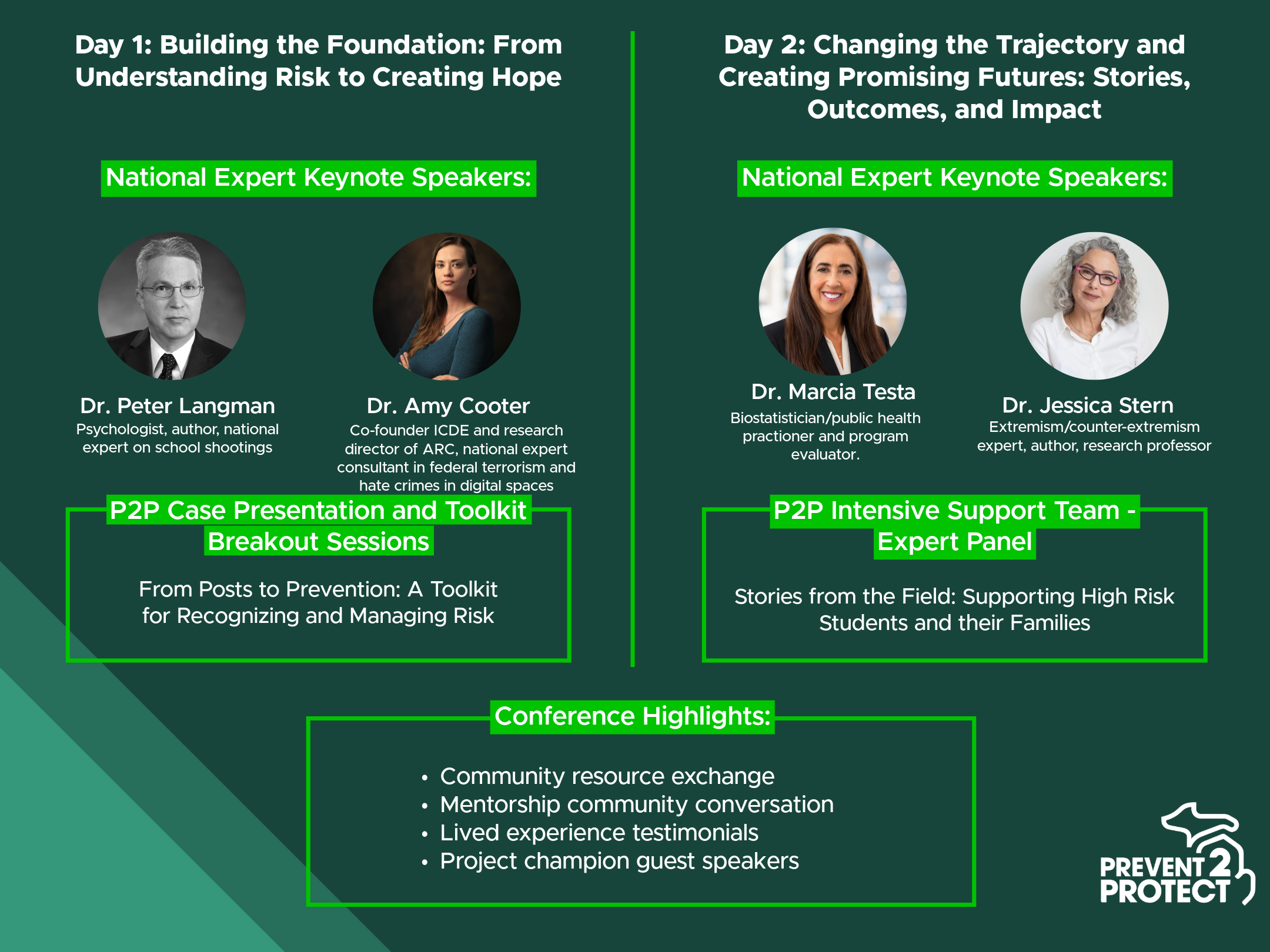
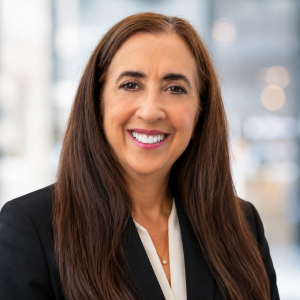
Marcia Testa, ScD
Dr. Testa is a senior Lecturer in Biostatistics at the Harvard T.H. Chan School of Public Health and Co-Director of the Emergency Preparedness Research, Evaluation & Practice (EPREP) Program. For more than 30 years, she has led the evaluation of complex public health initiatives and emergency preparedness programs, partnering with federal, state, and local agencies to advance evidence-based practice. She currently directs the Harvard MPH Program in Quantitative Methods, serves as President of the Massachusetts Association of Health Boards, and leads the developmental evaluation of Prevent 2 Protect.
What role does Prevent 2 Protect play in strengthening school-based violence prevention efforts? This session will present findings from the Harvard T.H. Chan School of Public Health’s developmental evaluation, highlighting educator perspectives on the value Prevent 2 Protect brings to schools and Behavioral Threat Assessment and Management (BTAM) teams. Participants will explore how school leaders describe the program’s multidisciplinary approach, consultation, individualized case management, wraparound services, and ongoing partnership in supporting high-risk students, families, and school communities. The findings will also identify ways to strengthen collaboration among schools, law enforcement, mental health providers, and families to support the highest-risk students.

Prevent 2 Protect Family Feedback
Jessica Stern, PhD
Dr. Stern is a research professor at Boston University and a leading expert on terrorism and public safety. A 2024–2025 Guggenheim Distinguished Scholar, she has advised U.S. government agencies, taught counterterrorism for over 25 years, and served on President Clinton’s National Security Council. Her work has been supported by NSF, DHS, NATO, and NIJ as well as foundations. Stern is the author of several books on targeted violence and is currently researching a book on prevention.
How do custodial parents and guardians experience Prevent 2 Protect while supporting an adolescent referred for targeted-violence concerns? Drawing on 15 semi-structured interviews conducted by the Harvard CSE-Lab, this session presents participants’ perspectives and their observations of how P2P affected their child and household. Interview topics included the reason for referral; the decision to enroll; experiences with the Hub and Intensive Support Teams; coordination of mental health, educational, and other services; mentorship, responsiveness, advocacy, communication, and individualized support; observed changes in the adolescent; the most valuable resources; opportunities for improvement; and perceptions of safety and reduced risk. Findings will illuminate how parents and guardians experience cross-system support and identify opportunities to strengthen P2P’s partnership with participating households and schools.
Community Conversations
The Power of Showing Up: Mentorship, Community, and Changing the Trajectory of Youth
For young people facing significant challenges, a single intervention or positive interaction is rarely enough to create lasting change. Long-term success is built through relationships with trusted adults, mentors, families, and communities that continue to show up, particularly when a young person is struggling.
This community conversation brings together leaders who have dedicated themselves to supporting young people and strengthening their communities. Panelists will explore the powerful role mentorship can play in changing the trajectory of a young person’s life, the importance of consistency and connection, and what it truly means to “show up” for youth over time.
Through personal experiences and lessons learned from community-based work, the conversation will examine how we can move beyond short-term intervention to build networks of sustained support around young people. Attendees will leave with a deeper understanding of why meaningful relationships are an essential component of prevention, and how schools, families, mentors, and community partners can work together to help young people find positive, prosocial paths toward long-term success.
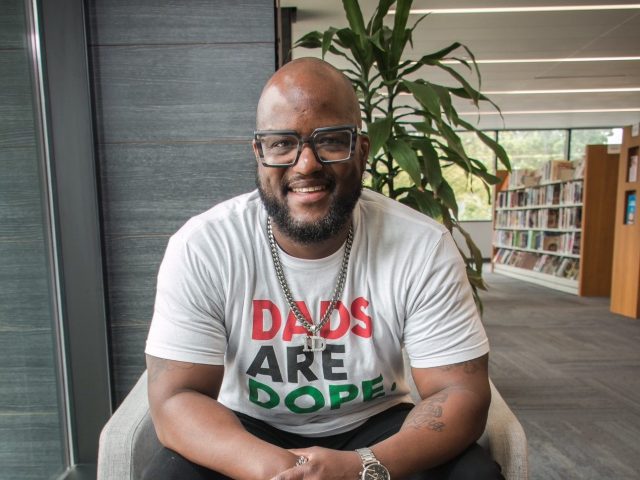
Shon Hart
Founder & Executive Director InvolvedDad
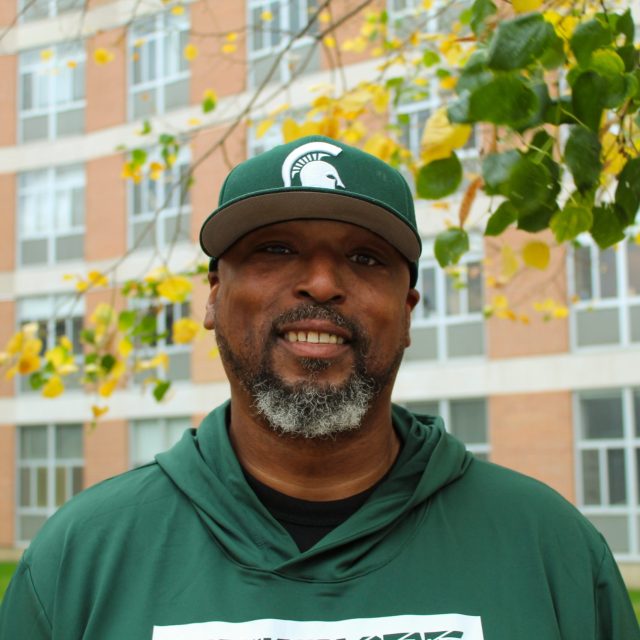
Shon Hart is the Executive Director and Co-founder of InvolvedDad. A leading voice in fatherhood and family empowerment. As Executive Director , he brings over a decade of experience transforming communities by strengthening the role of fathers. A devoted husband of 21 years and father of three, Shon leads with heart, purpose, and proven impact. He’s a nationally recognized speaker, trainer, and 5-time author—most recently of Broken Boys Become Broken Men—and a trusted advisor to agencies, policymakers, and practitioners alike. Whether he’s shaping programs, coaching professionals, or inspiring men to reclaim their role in the family, Shon’s mission is clear: to build strong men, strong families, and stronger communities.

Larry D. Johnson
Co-founder of Brotherhood Against Drugs
Larry Johnson is the fifth of ten children of Christine and Earvin Johnson. He and his wife, Jennifer, have three wonderful children––Larry Jr., Latisha, and Laquetta––and one grandchild, Keston.
Larry worked at General Motors for 31 years, was the founding president of the Brotherhood Against Drugs, and has been working for Magic Johnson Enterprises for ten years. Larry enjoys working with at-risk children and does so at the Ingham County Youth Center. He enjoys playing his favorite game, Uno, with his family and watching Family Feud.
A Christian man, Larry’s favorite verse is Philippians 4:13: “I can do all things through Christ who strengthens me.”

Michael McKissic
Founder of Mikey 23 Foundation
Michael McKissic is a Lansing native, owner of McKissic Construction, and founder of the Mikey 23 Foundation, established in memory of his son, Michael. Through the foundation, he mentors youth and young adults while providing vocational training in the construction trades under the motto, “Put down the guns, pick up a hammer, and build up your community.” Michael also serves on the Governor’s Gun Violence Task Force and is committed to creating opportunities, strengthening communities, and helping young people build brighter futures.
P2P Intensive Support Team Panel
Changing Trajectories: Stories from the Field on the Power of Mentorship, Connection, and Hope
Behind every successful intervention is a young person whose life was changed through meaningful relationships, unwavering support, and the belief that a different future was possible. This panel brings together P2P mentors, and case managers, to share powerful stories from the field that illustrate the transformative impact of the Prevent 2 Protect model. Through real-world experiences, panelists will highlight how intensive mentorship, case management, systems navigation, and coordinated support have helped high-risk children and adolescents reconnect with their schools, families, and communities. Participants will explore how fostering companionship, connection, competence, and opportunities for meaningful contribution can interrupt pathways toward violence and replace them with pathways toward resilience, purpose, and hope. These stories demonstrate that when young people are surrounded by consistent relationships and comprehensive support, it is possible to change not only individual outcomes, but the trajectory of a life.
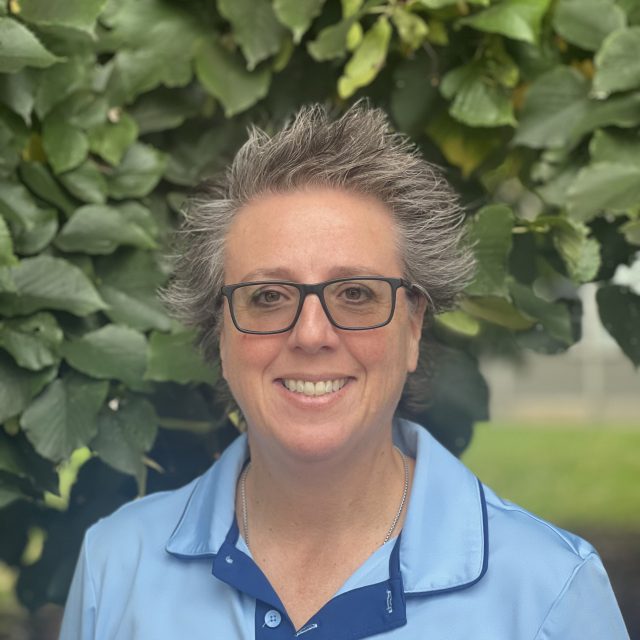
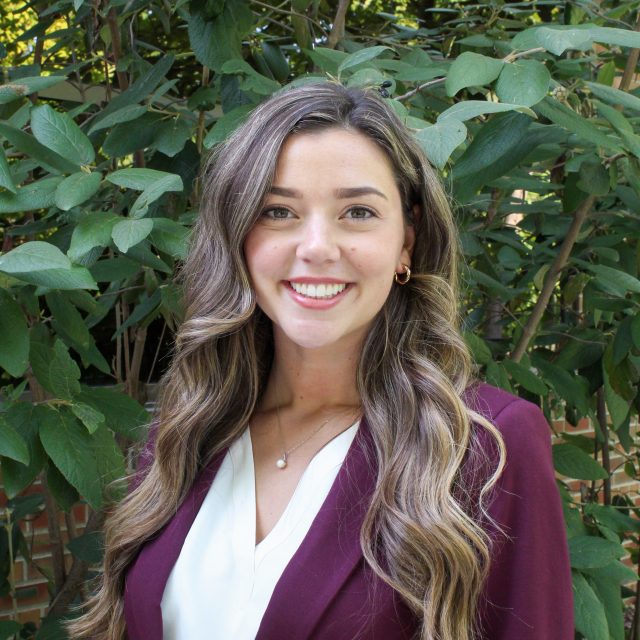
Syriah Keyes, West Shore Regional Case Manager
- School Psychologist
- Educational Leadership EdD candidate
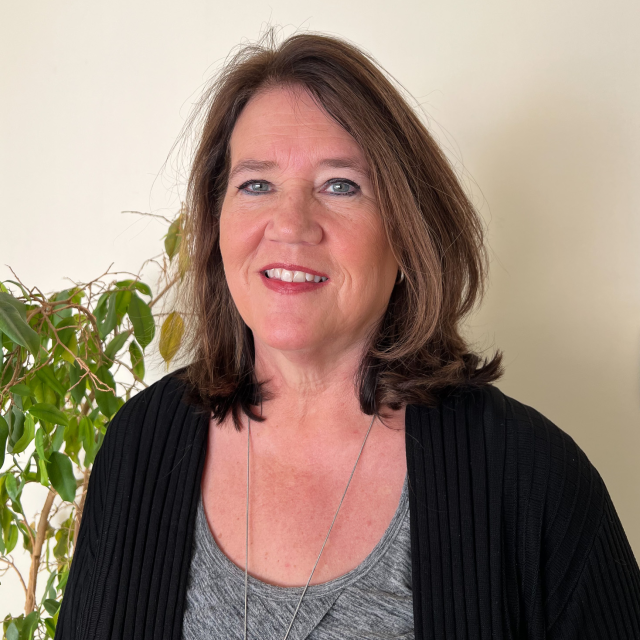
Martine Highet, Lincoln Park Regional Case Manager
- Former forensic interviewer & advocate
- Former Child Advocacy Center director
Mary Gebara, Ingham Regional Case Manager
- Child life and development specialist
- Former school board president
Conference Venue & Nearby Accommodations
Location and Overnight Accommodations
 Nestled in the heart of Michigan State University’s scenic campus, the Kellogg Hotel & Conference Center, located at 219 S. Harrison Road, East Lansing, MI 48824 provides guests with modern amenities, on-site dining, and bustling campus life just steps from your room and our sessions. Whether you’re traveling from across town or across the country, you’ll find everything you need for a comfortable, inspiring stay. (For other area accommodations, please see drop down below).
A special room block has been reserved for Prevent 2 Protect Conference attendees. Please see the drop down below.
Parking is available in Ramp 4/Lot 66. Parking charges are $2.00 per hour and are payable using the Spot On App (additional fees may apply) or on-site Kiosk. Overnight guest parking is available in Ramp 4/Lot 66 at the rate of $15 per car/per day.
The Kellogg Center is easily accessible:
- From I-496: Take Exit 7 for Trowbridge Road toward Michigan State University, then turn left on Harrison Road.
- From US-127: Take the Trowbridge Road exit east toward campus, then turn left onto Harrison Road.
- From I-96: Merge onto I-496 East toward Lansing, then follow the directions above.
Parking is available in Ramp 4/Lot 66. Parking charges are $2.00 per hour and are payable using the Spot On App (additional fees may apply) or on-site Kiosk. Overnight guest parking is available in Ramp 4/Lot 66 at the rate of $15 per car/per day.
Guest rooms are available for the nights of October 17-20, 2026.
Kellogg Hotel and Conference Center (219 S. Harrison Rd., East Lansing, MI 48824)
RATE: $129 plus tax
RESERVE: Guests call (800) 875-5090 and use room block code Prevent 2 Protect to identify themselves as part of the Prevent 2 Protect 2026 Adolescent Targeted Violence Prevention Conference.
DEADLINE: Reserve by September 17, 2026, to receive this special rate.
Parking is available in Ramp 4/Lot 66. Parking charges are $2.00 per hour and are payable using the Spot On App (additional fees may apply) or on-site Kiosk. Overnight guest parking is available in Ramp 4/Lot 66 at the rate of $15 per car/per day.
Graduate by Hilton East Lansing (133 Evergreen Ave., East Lansing, MI 48823; approx. 0.5 mile away)
Hyatt House Lansing University Area (3150 E. Michigan Ave., Lansing, MI 48912; approx. 1.0 mile away)
AC Hotel Lansing University Area (3160 E. Michigan Ave., Lansing, MI 48912; approx. 1.0 mile away)
Marriott East Lansing at University Place (300 Mac Ave., East Lansing, MI 48823; approx. 0.7 mile away)
Towneplace Suites East Lansing (2841 Hannah Blvd., East Lansing, MI 48823; approx. 2.1 miles away)
Candlewood Suites East Lansing by IHG (3545 Forest Rd., East Lansing, MI 48910; approx. 2.5 miles away)
Springhill Suites by Marriott University Area (1100 Trowbridge Rd., East Lansing, MI 48823; approx. 1.0 mile away)
Email Prevent 2 Protect at prevent2protect@msu.edu or call (517) 329-4250 with any further questions about the conference.
Conference Program

Prevent 2 Protect and the 2026 Adolescent Targeted Violence Prevention Conference are made possible by funding provided to Michigan State University by the Michigan Department of Education.